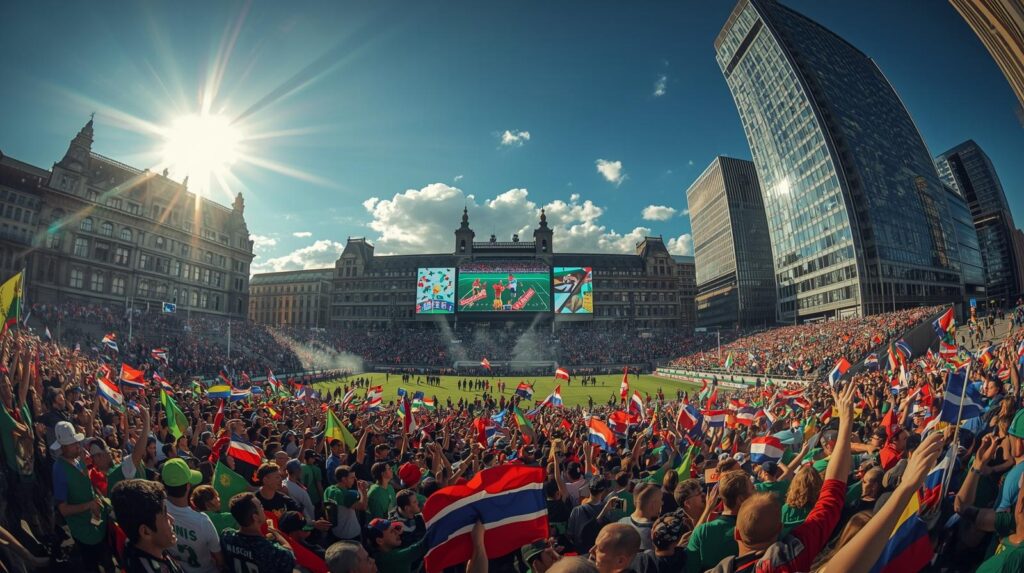
As we move closer to the biggest sporting event in history, the excitement for FIFA World Cup 2026 Fan Zones has reached a fever pitch. For millions of fans who couldn’t secure tickets to the 104 matches across North America, these official Fan Festivals are the beating heart of the tournament. Today, March 13, 2026, we are finally seeing the full-scale plans for these massive, free-to-enter celebrations.
From the coastal mountains of Vancouver to the historic Fair Park in Dallas, the FIFA World Cup 2026 Fan Zones are designed to bring the stadium atmosphere to the city streets. In this 2,500-word deep dive, we explore every major location, the high-tech innovations, and why these festivals are the definitive way to experience the beautiful game.
What is a FIFA Fan Festival? The Heart of the Action
A FIFA World Cup 2026 Fan Zone is more than just a place with a big screen. It is a curated, official experience where football meets music, culture, and lifestyle. These zones are the only places outside the stadiums where fans can legally watch every single minute of the tournament live in a public setting.
The Three-Nation Experience
For the first time in history, the tournament is being hosted by three nations. This means the FIFA World Cup 2026 Fan Zones will reflect a diverse cultural tapestry:
- United States: High-energy festivals in massive parks and historic fairgrounds.
- Mexico: Celebrations in the heart of historic plazas like the Zócalo.
- Canada: Scenic, waterfront festivals that blend nature with sports.
Top Host City Highlights: Where to Watch in 2026
1. Dallas, Texas: The Largest Fan Hub in North America
Dallas is positioning itself as the “Central Hub” for the tournament. The official FIFA World Cup 2026 Fan Zone in Dallas is being held at the iconic Fair Park.
- Capacity: Over 35,000 fans at any given time.
- Key Features: Matches will be shown at the Pavilion at Fair Park amphitheater, which includes 7,000 covered seats—essential for the Texas summer heat.
- Why it’s a Must-Visit: With a massive 1-million-square-foot activation space, it features dedicated “Worker Support Hubs” and interfaith prayer spaces, making it the most inclusive fan zone in history.
2. Vancouver, Canada: The Scenic Masterpiece
Located at Hastings Park (PNE Grounds), the Vancouver fan zone offers a backdrop of coastal mountains.
- The Amphitheatre: A brand-new, 10,000-capacity open-air amphitheatre has been built specifically for the FIFA World Cup 2026 Fan Zones experience.
- Premium Options: While general admission is free, Vancouver is offering “Premium Experiences” with reserved seating and curated food packages for those who want a more comfortable viewing experience.
3. Toronto, Canada: The Urban Revolution
Toronto has revealed that its central hub will be at Fort York and The Bentway. This unique space under the Gardiner Expressway offers a gritty, urban vibe that perfectly reflects Toronto’s diverse football culture.
Beyond the Screen: Interactive Fan Experiences
The FIFA World Cup 2026 Fan Zones are not just about sitting and watching. They are interactive playgrounds for fans of all ages.
High-Tech Skill Challenges
As we discussed in our recent post on Emerging Football Leagues 2026, the development of talent is now a global priority. In the fan zones, you will find:
- VR Penalty Shootouts: Test your skills against a digital version of the world’s best goalkeepers.
- Smart-Pitches: Mini-pitches equipped with sensors to track your dribbling speed and passing accuracy.
The “No Walkers, No Game” Interactive Chat
Official sponsors like Walkers (Lay’s) have introduced the “Epic Football Watch Party” group chat. By joining, fans in the FIFA World Cup 2026 Fan Zones can interact with AI-driven versions of legends like Messi and Beckham, getting real-time match debates and exclusive memes directly to their phones.
Administrative and Logistical Tips for Fans
Navigating these massive zones requires a bit of planning. Based on the latest March 2026 updates:
- Digital Passes: Some cities, like Kansas City, require fans to secure a free digital pass in advance due to capacity limits.
- Transportation: Host cities are launching “Match-Day Shuttles.” In Vancouver, the Freedom Mobile Arch area will be easily accessible via the “ConnectKC26” bus service.
- Sustainability: Almost every FIFA World Cup 2026 Fan Zone is committed to zero-waste operations, so expect to see extensive recycling and food waste recovery systems.
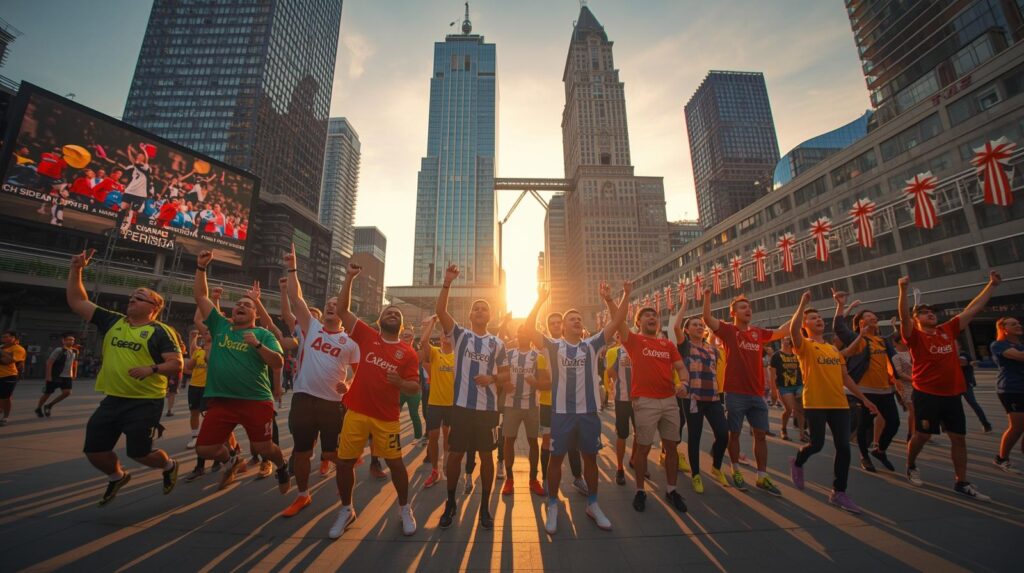
The Visual Spirit of the Fan Zone
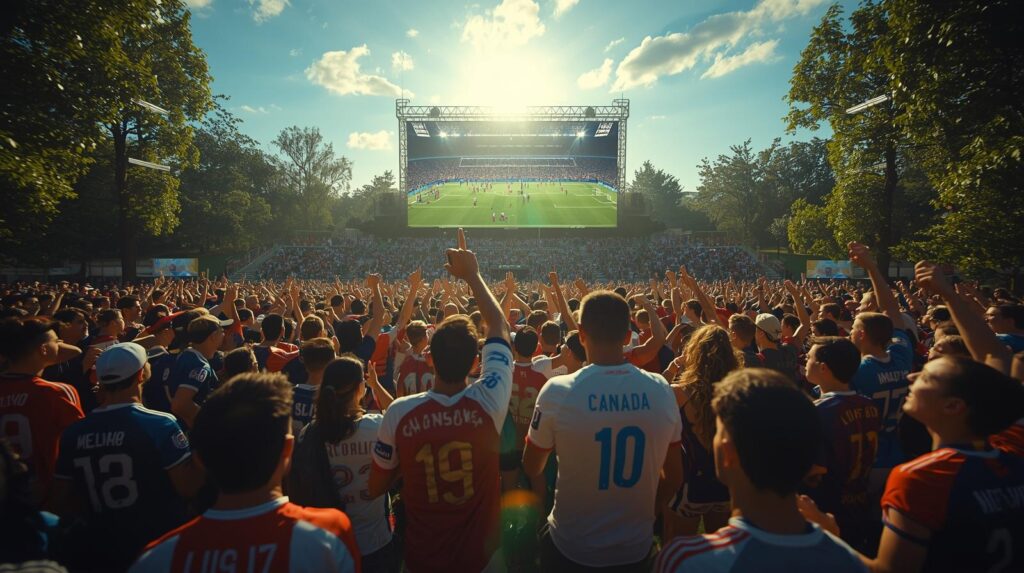
This image perfectly captures why the FIFA World Cup 2026 Fan Zones are so special. It’s not just about the game; it’s about the unity of the human spirit. Whether you are in a “leafy” neighborhood in Mexico City or the “waterfront park” in Seattle, the feeling of cheering for a goal with 30,000 strangers is an experience that cannot be replicated.
Mexico City: The Temple of Football at the Zócalo
No discussion of FIFA World Cup 2026 Fan Zones is complete without the legendary Zócalo in Mexico City. Known as the “Greatest Temple of Football,” the Zócalo (Plaza de la Constitución) will be the cultural and social epicenter of the tournament in Mexico. Starting June 11, 2026, this historic plaza will transform into a massive viewing hub where the spirit of ancient Tenochtitlán meets modern football fever.
With a capacity to hold over 100,000 fans, the Zócalo Fan Festival is expected to be the most atmospheric of all FIFA World Cup 2026 Fan Zones. Fans can expect a sensory overload of local flavors, from authentic street tacos to traditional music, all while watching the matches on some of the largest LED screens ever assembled in Latin America. The logistical planning for this site is immense, with the Mexican government implementing a “Zero Traffic” perimeter to ensure the safety of the massive crowds.
Seattle’s Unity Loop: A Distributed Fan Experience
Seattle is taking a unique approach to FIFA World Cup 2026 Fan Zones by launching the “Unity Loop.” Instead of one single site, the city is activating multiple locations connected by public transit:
- Seattle Center: The primary hub at the Armory and Mural Amphitheatre, offering indoor and outdoor viewing with views of the Space Needle.
- Waterfront Park: A 20-acre civic space on Pier 62, hosting family-friendly activations in partnership with the Seattle Sounders and Seattle Reign.
- Victory Hall (SODO): A dedicated 23-foot screen experience right next to the stadium for fans who want to hear the roar of the crowd while they watch.
This distributed model ensures that FIFA World Cup 2026 Fan Zones are accessible to everyone, regardless of which part of the city they are in, reducing the “bottleneck” effect seen in previous tournaments.
The “ConnectKC26” Strategy in Kansas City
Kansas City is proving its title as the “Soccer Capital of America” by placing its FIFA World Cup 2026 Fan Zone at the National WWI Museum and Memorial. This site offers a stunning skyline view and a massive lawn for thousands of fans. To handle the logistics, the city has launched ConnectKC26, a dedicated motorcoach service that provides a direct link between the airport, the stadium, and the Fan Festival. This level of administrative planning ensures that the fan experience remains seamless even on the busiest match days.
City-by-City Spotlight: The 16 Global Hubs
As we stand in March 2026, the local host committees have refined their FIFA World Cup 2026 Fan Zones to reflect their unique regional identities. In Philadelphia, the celebration at Lemon Hill is coinciding with the United States’ 250th anniversary, creating a historic “Double Celebration” atmosphere. Meanwhile, Los Angeles has unveiled a massive “Fan Village” at the LA Coliseum, which will feature 39 days of non-stop football culture, including free youth clinics and mobile bus tours that bring the trophy closer to the fans.
In the New York New Jersey region, the strategy is split between the “Flag Cities” pop-ups in places like Jersey City and Newark, and the massive flagship festival at Liberty State Park. These sites are not just about the big screens; they are showcasing “International Cultural Events” that represent all 48 qualifying nations. If you are a fan of Morocco, Brazil, or Norway, you will find dedicated “Culture Corners” where you can celebrate your heritage with fellow supporters.
Inclusivity and Accessibility: A World Cup for Everyone
One of the most significant advancements for the FIFA World Cup 2026 Fan Zones is the implementation of the first-ever “Accessibility Advisory Board” recommendations. These festivals are being built from the ground up to be the most inclusive in history.
- Sensory Rooms: For fans with neurodiversity or sensory processing needs, quiet zones are being installed in major festivals like Dallas Fair Park and Toronto Fort York.
- Haptic Boards: Blind and low-vision fans can now “feel” the game through interactive haptic boards that translate the movement of the ball into vibrations.
- Sign Language Interpreters: Every major announcement and live commentary at the main stages will feature professional ASL (American Sign Language), LSE (Lengua de Señas Española), and LSQ (Langue des signes québécoise) interpreters.
Sustainability: The Greenest Fan Festivals Ever
The FIFA World Cup 2026 Fan Zones are also a laboratory for environmental innovation. Aligned with FIFA’s Climate Strategy, cities like Vancouver and Miami are pursuing “Net Zero” goals for their fan sites.
- Renewable Energy: Many of the massive LED screens are powered by temporary solar arrays or hydrogen fuel cells.
- Water Stations: To reduce plastic waste, fans are encouraged to bring reusable bottles, with “Smart Water Stations” providing free, chilled, filtered water throughout the parks.
- Circular Food Systems: All food vendors are required to use 100% compostable packaging, with on-site anaerobic digesters turning food waste into energy for the festival.
The Tech Revolution: AI, 8K, and Immersive Sound
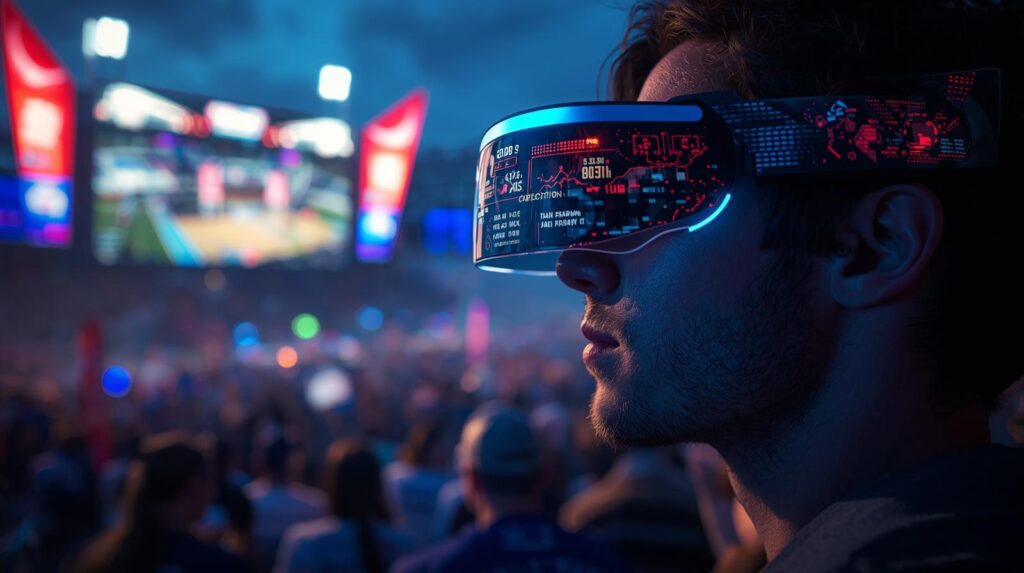
The technology being deployed at FIFA World Cup 2026 Fan Zones is a leap forward in sports entertainment. For the first time, fans will experience:
- 8K Ultra-High Definition Screens: Delivering stadium-quality visuals that make you feel like you’re standing on the touchline.
- Synchronized Light Shows: Many zones, like the one in Philadelphia’s Lemon Hill, will feature LED floors and lights that react in real-time to game events—turning red for a foul or flashing gold for a goal.
- AI-Powered Predictions: Fans can participate in real-time gamified challenges through the official FIFA app, predicting the next scorer or the final xG (Expected Goals) to win exclusive digital collectibles (NFTs) and physical merchandise.
Ensuring a Safe Celebration: The “No Drone Zone” Policy
Safety is the top priority for the 2026 organizers. The FAA and law enforcement agencies have officially designated all FIFA World Cup 2026 Fan Zones as “No Drone Zones.” * Strict Airspace Restrictions: Unauthorized drone flights are strictly prohibited. Violators face civil penalties of up to $75,000 and criminal fines of up to $100,000.
- Biometric Screening: Many high-capacity zones will use advanced biometric gates to speed up entry while maintaining high security.
- Smart Crowd Management: Cities like Atlanta and Miami are using AI-driven heat maps to monitor crowd density in real-time, preventing bottlenecks at exits and transit hubs.
The Virtual Tour: A Video Journey Through the Host Cities
To truly grasp the immense scale and revolutionary design of the FIFA World Cup 2026 Fan Zones, sometimes words and still images are not enough. We have curated a spectacular video tour that takes you on a high-speed, immersive journey across all 16 host cities. This exclusive look gives you a front-row seat to the innovative “Digital Canopies” that provide shade and information, the immersive VR skill zones, and the monumental 8K screens that define this new era of football celebration.
Flagship Fan Destinations: A Closer Look at NYNJ and LA
As we move through March 2026, the FIFA World Cup 2026 Fan Zones in the New York New Jersey region have taken center stage. The host committee recently announced two distinct experiences: the Fan Zone Queens at the USTA Billie Jean King National Tennis Center and the Fan Village at Rockefeller Center. The Queens location, running from June 17 to June 28, is set to be a massive immersive celebration of the world’s game, offering local communities a flagship destination to gather. Meanwhile, the Rockefeller Center Fan Village (July 4–19) will transform the iconic Rink into a vibrant football pitch surrounded by massive screens, bringing the tournament’s energy to the heart of Midtown Manhattan.
In Southern California, the FIFA World Cup 2026 Fan Zones are centered around the historic Los Angeles Memorial Coliseum. This 39-day fan experience is not just a place to watch matches; it’s a cultural festival featuring music, food, and interactive gaming zones. The Coliseum, known for its Olympic heritage, will serve as the “heartbeat” of the tournament for fans starting their journey in LA. With direct “Go Metro” transit links, these zones are designed to be the most accessible and connected in the history of the sport.
Navigating Entry: The FIFA PASS and Biometric Security
A critical administrative update for those visiting the FIFA World Cup 2026 Fan Zones in the United States is the launch of FIFA PASS (Priority Appointment Scheduling System). This voluntary program is designed specifically for ticket-holding international fans to gain priority access to visa interview appointments. This initiative is a game-changer for fans from countries with long visa wait times, ensuring that the “Global Celebration” is truly global.
Furthermore, security at all FIFA World Cup 2026 Fan Zones has reached a new technological peak. For the first time, “mobile-only” entry processes are being utilized to streamline the massive crowds. Fans should expect biometric screening kiosks at high-capacity venues to ensure rapid and secure entry. These smart-city logistics are essential for managing the record-breaking attendance expected at sites like the National WWI Museum in Kansas City and Centennial Olympic Park in Atlanta.
Culinary Partnerships and Brand Activations
The “Experience Economy” is at the core of the FIFA World Cup 2026 Fan Zones. Official partners like Frito-Lay (Lay’s) and Coca-Cola are launching “Interactive Flavor Hubs” within the festivals. In Vancouver, the Fan Festival at Hastings Park will feature “Elevated Food Offerings” where local Canadian poutine meets international culinary favorites from all 48 qualifying nations.
These FIFA World Cup 2026 Fan Zones also serve as the primary activation sites for sponsors like Marriott Bonvoy and DoorDash, offering FIFA World Cup 2026 Fan Zones “unmatched access” through exclusive lounges and rapid on-site delivery zones. This integration of tech and hospitality ensures that every fan, whether they are in the “Steel Giant” region of Monterrey or the “Lemon Hill” area of Philadelphia, feels the premium quality of the tournament’s official infrastructure.
Frequently Asked Questions (FAQs)
Q1: Are the FIFA World Cup 2026 Fan Zones free to enter? Ans: Yes, general admission to all official FIFA Fan Festivals is free. However, some locations require pre-registration for a digital pass to manage capacity.
Q2: Can I watch all 104 matches at the Fan Zones? Ans: Absolutely. Every official FIFA World Cup 2026 Fan Zone is equipped to broadcast every single match of the tournament live.
Q3: Is food and drink available on-site? Ans: Yes, each zone features a curated food and beverage program highlighting both local cuisine and international favorites.
Conclusion: A Legacy Beyond the Pitch
The FIFA World Cup 2026 Fan Zones are more than just temporary party spots. They are designed to leave a lasting legacy in each host city, improving public parks and transit infrastructure for years to come. Whether you are at Liberty State Park in New Jersey or the Fairmont Park in Philadelphia, you are part of a historic moment that unites three nations under one banner.
For the latest travel advisories and official tournament rules, check the UK Government World Cup Travel Guide or the Official FIFA World Cup 26™ Portal.
Why Fan Zones are the Heart of 2026
The FIFA World Cup 2026 Fan Zones provide the ultimate democratic experience. They prove that you don’t need a $500 ticket to be part of history. As we prepare for the tournament to kick off on June 11, these zones stand ready to welcome the world with open arms, cold drinks, and the biggest screens ever seen in sports.
For the most up-to-date match schedules and official rules on what you can bring into the festivals, visit the Official FIFA Website.