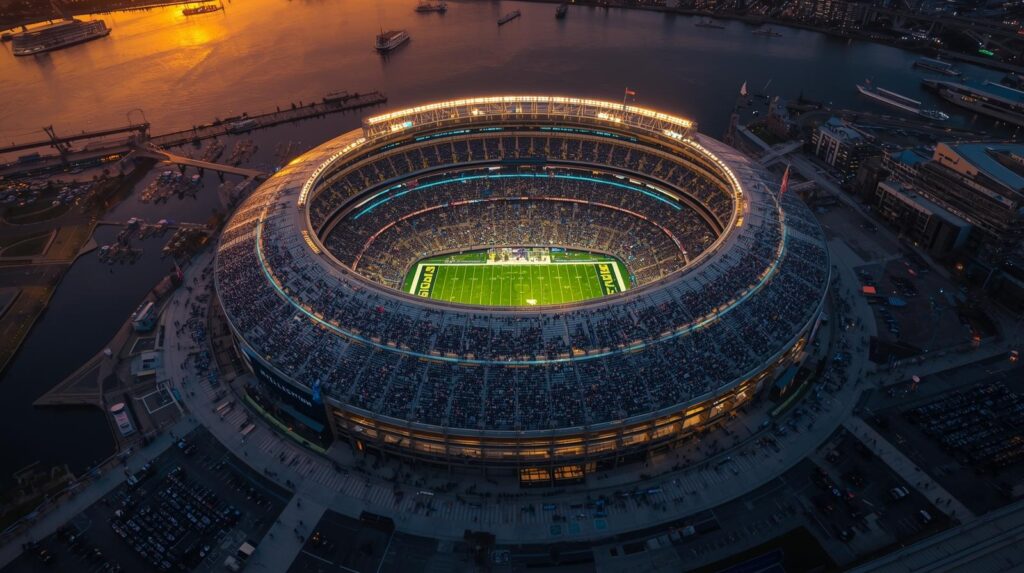

The 2026 FIFA World Cup is set to be the grandest tournament in football history, spanning three massive host nations. However, beneath the tactical masterclasses and star-studded rosters lies an invisible, grueling opponent that teams must conquer: extreme heat and crushing humidity.
As matches kick off across contrasting microclimates—from the dry heat of Monterrey to the stifling summer humidity of Miami—tactical strategies will be heavily dictated by environmental factors. Understanding the strict World Cup heat safety rules and how they affect late-game physical performance is essential for analyzing which teams will truly thrive when the pressure mounts.
The Science of Heat Stress: Decoding the WBGT Index
Football analytics has evolved past simply looking at the ambient air temperature on a standard thermometer. To protect elite athletes, sports scientists and match officials rely on the Wet Bulb Globe Temperature (WBGT) index to enforce World Cup heat safety rules.
[WBGT Index] = Temperature + Humidity + Wind Speed + Radiant Heat
Unlike normal temperature readings, the WBGT is a composite metric that accurately measures heat stress by factoring in four distinct environmental variables:
- Air Temperature
- Relative Humidity (High humidity prevents sweat from evaporating, trapping heat in the player’s body)
- Wind Speed (Air movement that aids natural cooling)
- Radiant Heat (Direct sunlight intensity hitting the pitch)
When high humidity pairs with intense afternoon sun, a stadium with an air temperature of 32°C (90°F) can feel significantly more punishing. This is why standard temperature metrics are ignored in favor of modern World Cup heat safety rules.
The Trigger Points: How World Cup Heat Safety Rules Kick In
To mitigate the dangerous onset of heat exhaustion and exertional heat stroke, specific regulations dictate exactly when matches must be altered for player welfare. The active World Cup heat safety rules are designed around specific physiological trigger points. However, leading global climate and health experts have noted a substantial gap between FIFA’s traditional operational rules and the strict safety positions championed by FIFPRO (the global professional footballers’ union).
Here is how the regulatory thresholds compare when measuring heat stress levels under official World Cup heat safety rules:
| WBGT Metric Threshold | Regulatory Protocols & Operational Actions |
| 26°C (78.8°F) WBGT | FIFPRO Threshold: Initial risk zone. FIFPRO heavily advises that mandatory, structured cooling breaks be implemented under the World Cup heat safety rules framework. |
| 28°C (82.4°F) WBGT | The Danger Zone: Deemed highly unsafe for sustained running. Amended World Cup heat safety rules recommend that matches scheduled during these peak times be delayed. |
| 32°C (89.6°F) WBGT | FIFA Official Rule: Under standard tournament regulations, match-wide cooling breaks become strictly mandatory in the 30th and 75th minutes of play. |
Risk Assessment: High-Humidity Stadium Rankings
Not all host cities are built equally when it comes to summer weather. Open-air stadiums in coastal or subtropical locations present a far greater threat of physical fatigue than inland or fully climate-controlled domes.
To help fans monitor these match factors, we rank the vulnerable open-air stadiums where World Cup heat safety rules will be critical:
| Risk Ranking | Host Venue & Location | Primary Climate Threat | Tactical Impact on Playstyle |
| 1. Extreme Risk | Hard Rock Stadium (Miami, FL) | Subtropical humidity & intense afternoon radiant heat. | Severely penalizes high-pressing teams; favors slower possession. |
| 2. Very High Risk | Estadio BBVA (Monterrey, MX) | Intense valley heat combined with fluctuating evening humidity. | Accelerates muscular fatigue and cramping past the 70th minute. |
| 3. High Risk | Arrowhead Stadium (Kansas City, MO) | Sudden, volatile midwestern summer heat waves and heavy air. | Slows down transition play; heavily rewards deep squad rotation. |
| 4. Moderate Risk | Lincoln Financial Field (Philadelphia, PA) | Moderate-to-high evening humidity spikes. | Increases dependency on tactical cooling breaks to reset defensive shapes. |
Tactical Fallout: How World Cup Heat Safety Rules Shape the Game
The implementation of mandatory FIFA cooling breaks changes the fundamental flow of a football match, functioning essentially like a tactical timeout in basketball or American football.
[Cooling Break Triggered]
          │
          ├──> Players Hydrate & Lower Core Temp (Physiological Reset)
          └──> Managers Adjust Formations & Formulate Counter-Tactics (Tactical Reset)
1. Breaking Tactical Momentum
If a high-pressing team has pinned their opponent deep in their own half, a cooling break authorized by the World Cup heat safety rules completely disrupts that suffocating momentum. It grants the defending side a valuable physiological reset.
2. The Death of the 90-Minute Heavy Press
Teams that rely on relentless, high-energy pressing systems will struggle to maintain intensity for a full match in places like Miami or Houston. For a deeper look at how physical limitations and physical tolls are already causing squads to pick backup variants, see our rolling World Cup 2026 injury report tracker.
3. Favoring Low-Block & Counter-Attacking Playstyles
The stadium climates and frequent breaks will heavily favor teams comfortable playing in a compact low-block system. By conserving energy in defensive positions, these teams can exploit heavily fatigued opponents in the final 15 minutes of the match.
FIFPRO Player Safety Guidelines Under World Cup Heat Safety Rules
To ensure elite performance doesn’t compromise long-term physical health under the updated World Cup heat safety rules framework, FIFPRO emphasizes the following player-welfare protocols:
- Frequent, Monitored Micro-Hydration: Because the human body cannot efficiently absorb massive amounts of water instantly, players must utilize minor stoppages to sip fluids rather than chugging water during the main breaks.
- Aggressive Pre-Cooling Interventions: Utilizing ice vests, cold-water immersion, and chilled towels in the tunnels immediately prior to kickoff and during the halftime interval to delay the rise of core body temperatures under World Cup heat safety rules.
- Proactive Medical Substitution Strategy: Managers are urged to maximize their five available tournament substitutions by the 65th minute in high-humidity venues to replace exhausted central midfielders before severe heat exhaustion sets in.
According to extreme climate reports published via World Weather Attribution, human-induced climate shifts make dangerous playing conditions significantly more prevalent today. The nations that hoist the trophy will be those whose backroom staff maps out climate mitigation and reads the updated World Cup heat safety rules with professional precision.